
In this series of posts, we focus on our connection with different places and time. Places are an important part of nature even if we don’t often view them that way. Different geographical locations support different ecosystems and with differing interactions with the various elements of nature. For example, a tropical rain forest in Singapore is starkly different from a temperate rain forest in Scotland. However, they do share similar characteristics. And these are the features the series focus on as we build our connections to a given place and location.
Places also foster sense of belonging, of community, and laying down roots. We see this in the migratory patterns of birds and fishes like the salmon. A friend, her family and I did a tour of the Isle of May recently. It is where the puffins come back year after year in April to nest, lay their eggs, and nurture their young. These young puffins will similarly come back to this island when it is their turn. Similarly, I saw swifts this morning on my walk with Pippin. They summer in the UK and winter in sub-Saharan Africa.
Humans too identify themselves with places and have connections to the land. Many of the indigenous populations all over the world are suffering because they have been displaced from their ancestoral lands. Land that they have a symbiotic relationship with, much like the animals and plants that inhabit the place.
In this post, we explore one of the most essential place of our lives, our homes. Most of us identify the places we live, our houses, as home. It can be a small studio flat or a palatial castle. Whichever it is, it is where we can lower our defenses and be ourselves. It is where we have chosen to put down roots.
I re-posted last week a blog post about my thoughts on home ownership last week. You can find the link here. One aspect of the post is that the home can either be a vehicle to connect me back to God or be a baggage weighing me down. This ties back to ‘treading lightly on the earth’ that I discussed in my very first post, linked here. The idea that we should walk humbly and gently through life as espoused by Surah Al-Furqan 25:63
And the slaves/servants of the Most Gracious are those who walk gently [and humbly] on earth and who, when the foolish addressed them, they say, “Peace.
can be facilitated by how we view our home. In our strive to connect with nature and ultimately God, our homes should be an extension of nature. Our home should resonate with the natural rhythm and be a peaceful shelter for all. The natural rhythm and pattern teaches us to accept change and not hold on to things.
Instead, often times, our homes are full of man-made objects that it feels disconnected from the natural world. And the noise of modern homes tend to make it even more distracting. As I sit here, I can hear the mechanical sound of the ventilation system and the humming of the fridge. When you add that to the TV, kitchen appliances, and other gadgets, the noise level just sky-rockets. So we need to take actions to make our homes feel as part of the natural environment.
Tying back to the 4 key principles of connecting to nature:
- Silence/stillness
- Observation
- Reflection
- Action
in regards to our home, this post will therefore mainly focus on observation and action. Especially actions we can take to make our home to be more alive by inviting nature in.
Taking Action
Silence and Observation
Silence and stillness are the foundations to building our connection to nature, including ourselves, as I have discussed in several of my posts like in here. When we are still and silent, we are much more aware of our surroundings including within ourselves. That is one reason I find the Islamic prayer beautiful. In every movement, it incorporates stillness and silence, culminating when our forehead touches the ground.
A participant in my recent workshop highlighted the challenge of finding a moment of silence/stillness at home. Especially for mothers with young children. It is therefore important to intentionally cultivate a space and time for silence in the home. This space can be a part of the bedroom, or the study or the prayer spot etc. For me, it is my living room, with comfortable furniture and surrounded by my books. Yes, I love the tactile nature and smell of paper. Reading a physical book is a great way to be connected to nature by the way.
Finding the right time is probably more challenging than the space. In this hectic environment, it feels like a luxury or an indulgence to spare time for silence/stillness. But that is an illusion; we waste more time than we realise doing things that are not beneficial. Like scrolling through our social media excessively which I am guilty of. For me, being naturally a night owl, time in the evening between 9 and 10 is ideal. Others may find early mornings work better.
I usually spend five to ten minutes a day to just be quiet. In those instances, my other senses seem to awaken and I become more aware of them. My sense of hearing sharpen and I can hear the ticking of the clock in the kitchen. Or the settling of the house joints clicking as the wood contracts with the lower temperature. My internal senses also heighten. I can ‘hear’ the beating of my heart and become aware of the rhythm of my pulse.
Such observations help me understand that both my home and I are ‘alive’ in our own ways. Just as the house joints settle, so too my joints as I embrace the stillness. The humming of electrical wire reflects the blood flow in my body as the electricity runs through the house. The mechanical whirring of the house ventilation system reminds me of my breathing; bringing in fresh and extracting stale air.
No, I am not living in a house of living trees like Tamylan in Enid Blyton’s beloved Cherry Tree Farm, but my home is alive. That idea of a living home is important because it connects me back to the Qur’anic description of Paradise. That of a garden with flowing water, lush greenery, and fruits aplenty.
Bringing the outside in
Therefore, I am very grateful to have a garden, small as it is. It is a pale proxy of Paradise and in which I can experience nature’s beauty. The garden is a major contributor to my ability to regulate myself and my senses. But I also remember living in various other places where I don’t have the luxury of a garden. In Singapore, for example, most people live in high-rise flats/apartments.
We should take this as an opportunity to invite nature into our homes. One of the easiest thing to do, especially during the hot sweltering weather, is to open the windows. This can also be done during rainy weather as I love to do to my father’s consternation. Breath in the fresh air and let it circulate around our homes. It will bring in the scents of the outside world, especially around our neighbourhood. Those odours are an indication of the health of our neighbourhood. I wrote about the scents that rain bring in one of my earliest post linked here.
Another way of inviting nature into our homes is running water. In most houses today, there are taps. Being aware and enjoying the sight, sound, and feel of water as we use it is a form of expressing gratitude. There are many places in the world where running water is a luxury. Such luxury reminds me of God’s warning in Surah Al-Mulk 67:30
قُلۡ أَرَءَيۡتُمۡ إِنۡ أَصۡبَحَ مَآؤُكُمۡ غَوۡرً۬ا فَمَن يَأۡتِيكُم بِمَآءٍ۬ مَّعِينِۭ (٣٠)
Say [unto those who deny the truth]: “What do you think? If of a sudden all your water were to vanish underground, who [but God] could provide you with water from [new] unsullied springs?” (30)
I love the sound of water and have several fountains in my tiny garden. But I also have a water fountain indoors for Pippin (my cat). In fact, as I type this, I am enjoying the tinkling sound of his water fountain. Such a soothing sound to the ears. If you have pets, think about having water fountains instead of a water bowl. Another example is an aquarium which is what my uncle built in his house. I can watch the fishes swim for hours, with their vibrant colours.
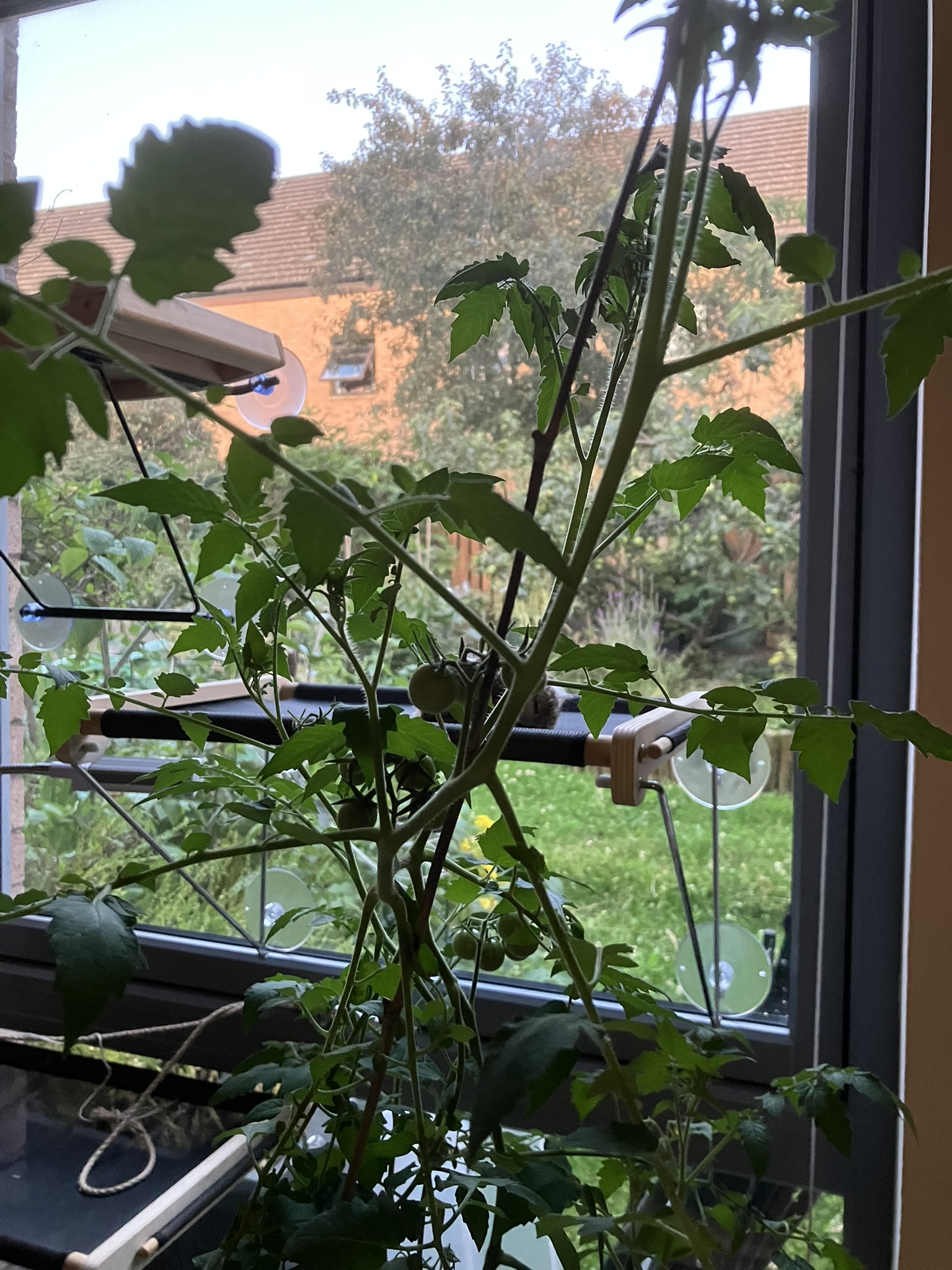
Indoor plants are another great way to bring the outside in. There are so many to choose from. If you’re a beginner or not confident yet, start with easy to maintain plants like a cactus. If you want to be practical, grow some herbs. I remember the first time I ever grew anything. I had grown green bean seeds at home as a science experiment in primary school. It’s an amazing feeling to see things grow for the first time. That tiny budding shoots coming out of the seed cover. And then it grew and grew. The energy of growing, living plants is palpable indoors. Every time I look, something changes; it could be new growth or dying leaves. I have several different plants indoors, including my accidental wild tomato plant. Besides providing me with its fruits, it is also very fragrant.
I invite you to find your own ways of bringing the outside in and make your home more alive.
Opportunities in daily life
We often don’t realise that we are interacting with nature all the time. Being mindful of this can help us develop our connection with nature. Reflecting on our experiences can also cultivate gratefulness in our day-to-day activities at home.
I mentioned about running water in the last section. Beyond that, there is joy in picking your own vegetables or fruits from the plants you grow. And in thanking them for their bounty. These could be the herbs that you grow on the window sill, or the chilli plant in the corner. Or the giant tomato bush or even the simple beansprouts. That interaction can also be extended to the fresh food items that you bought from the grocers. I was contrasting the texture of the spinach and the mushroom under the faucet the other day.
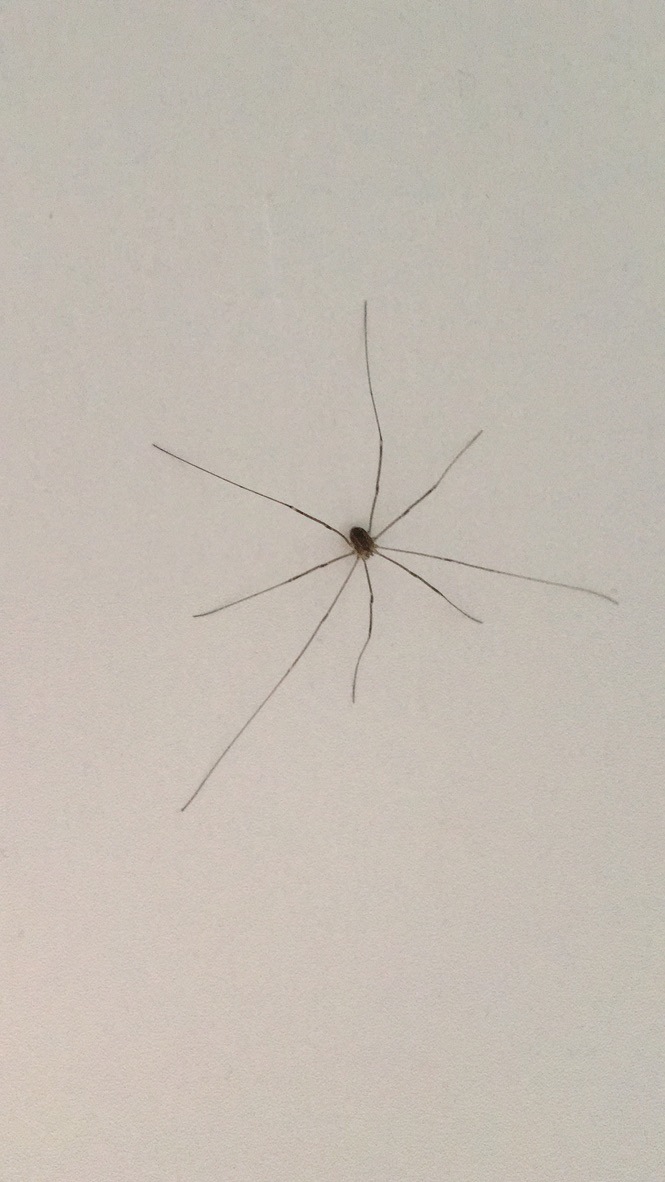
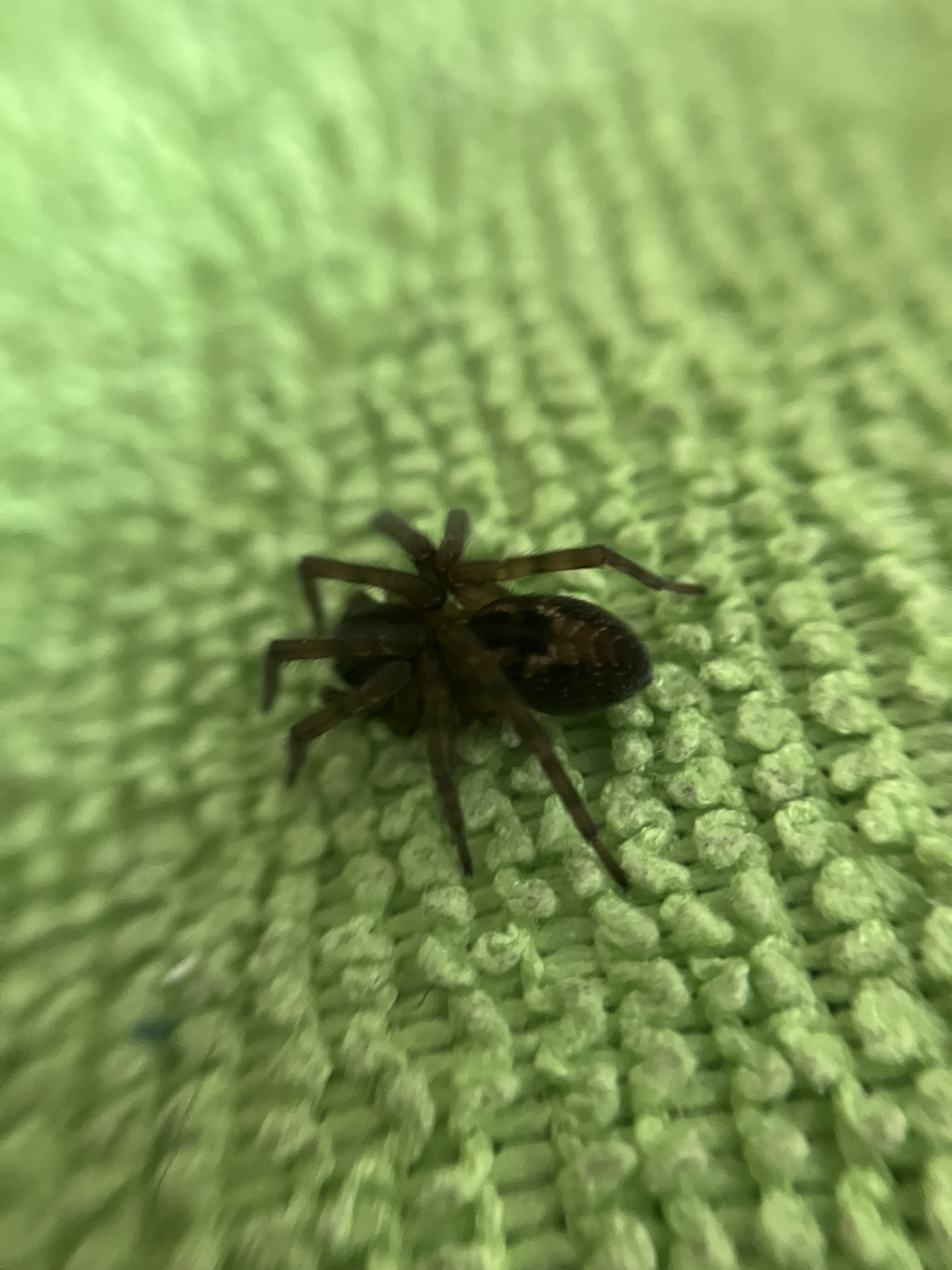
Then there are the other inhabitants of our homes. Besides ourselves and our family, there are insects, spiders, and other occasional visitors. My home tend to attract several different species of spiders and I love observing their habits. For one thing, they love my bathtub and washing basin. I think that is due to the cold porcelain. They are very clever: they would play dead when I touch them and then scuttle away when my attention is not on them. Pippin bring mice and birds home. I’ve lost count the number of mice I have had to bury in the garden or release outside. Being up close and personal with them has made me appreciate the bravery of these little ones.
Just enjoying the feeling of the floor or carpet under our feet is also a way to connect with nature. I always go barefoot at home even in winter so as to feel connected to the ground. Really simple way of being connected with every step I take. I love the temperature changes of the floor based on the movement of the sun and the seasons.
I hope that my sharing will give you ideas on how you can connect with nature in your own homes. Hopefully by making your homes more alive, it will help you connect with the natural rhythm.
Reflection on home ownership
It has been 11 years since I wrote the post on home ownership linked here. I had two main questions then:
Once I put down roots, can l still be that traveller on whom the world has no hold? Can I make use of the house to be instead a vehicle to advance me onwards on my return journey?
In the 11 years, my home has continued its evolution and ‘growth’. It has its own rhythm and patterns but follows much of the seasonal ebb and flow. It has provided not only me but four cats with shelter throughout their lives. It has seen many other human occupants, some for months and others a few days. Some of those who have lived in it have remarked that they took several positive things away with them. For example, a couple of them learned to like cats and another learned to value eco-living.
Then there are the bounty from the garden that have been shared not only with the human neighbours but others. Others like the plants, insects, spiders, bees, birds, mammals, and perhaps those I don’t even know. Recently I spotted a ladybird on one of the strawberry leaves. It brings me joy to see it as I associate it with the books I read as a child. God willing, that answered my prayer of making the house be a vehicle for doing good.

To answer the first question is more difficult. Am I still a traveller or having roots now tied me down? One of the lessons from nature that I have learned living in this house is that nothing is permanent. The house and, particularly, the garden changes around me with or without my input. I have mourned three cats, buried many mice and birds, helped some to escape, and lost a goldfish. Some would say well they are not human – as if animals are lesser than us. Not to me. These are all precious lives but I have learned to accept that loss is inevitable.
I don’t think I can answer the question with certainty that having a house has not tied me down. But I hope that through my connection with nature and understanding that nothing is permanent, I am prepared to let go when the time comes.

Leave a comment