
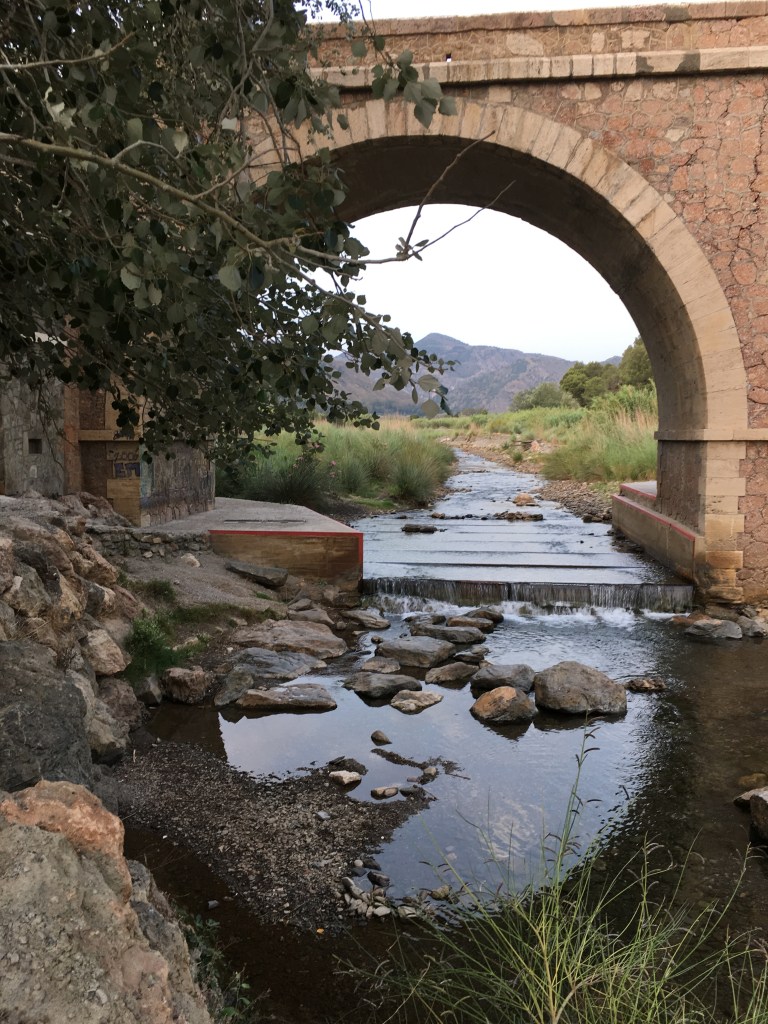
As the first two-part post in the blog, I’d like to define the objectives of the project, explore the reasons for this project, and set out the project structure.
Treading Lightly On The Earth
The project is entitled ‘Treading Lightly on the Earth’ and its objective is to give people the skills and tools to:
- build an intimate connection with and be conscious of nature no matter where they are, what they are doing
- be conscious of the impact of their activity on nature
However, people would only invest their time and effort on something if they are motivated. I hope to convince you, the readers, of the need to build that connection to nature.
Sacredness of Nature
In many cultures, nature is sacred. This sacredness of nature has long been central to our connection with the world around us and shapes our identity. For example, folk stories and legends, passed down through the ages, are rooted in our interaction with the natural world and often reminded us that there are greater forces than just our own out there that influence our lives. One such culture is the Native Americans:
“But our Indian religion is all one religion, the Great Spirit. We’re thankful that we’re on this Mother Earth. That’s the first thing when we wake up in the morning, is to be thankful to the Great Sprit for the Mother Earth: how we live, what it produces, what keeps everything alive.”1
And
“Native American teachings describe the relations all around—animals, fish, trees, and rocks—as our brothers, sisters, uncles, and grandpas. . . .
These relations are honored in ceremony, song, story, and life that keep relations close—to buffalo, sturgeon, salmon, turtles, bears, wolves, and panthers. These are our older relatives—the ones who came before and taught us how to live.”2
This is the same values I have found espoused in my Muslim tradition. For example, in Surah 6:38 of the Qur’an
وَمَا مِن دَآبَّةٍ۬ فِى ٱلۡأَرۡضِ وَلَا طَـٰٓٮِٕرٍ۬ يَطِيرُ بِجَنَاحَيۡهِ إِلَّآ أُمَمٌ أَمۡثَالُكُمۚ مَّا فَرَّطۡنَا فِى ٱلۡكِتَـٰبِ مِن شَىۡءٍ۬ۚ ثُمَّ إِلَىٰ رَبِّہِمۡ يُحۡشَرُونَ (٣٨)
There is not an animal in the earth, nor a flying creature flying on two wings, but they are nations3 like unto you. We have neglected nothing in the Book (of Our decrees). Then unto their Lord they will be gathered.
And in Surah 3:83
أَفَغَيۡرَ دِينِ ٱللَّهِ يَبۡغُونَ وَلَهُ ۥۤ أَسۡلَمَ مَن فِى ٱلسَّمَـٰوَٲتِ وَٱلۡأَرۡضِ طَوۡعً۬ا وَڪَرۡهً۬ا وَإِلَيۡهِ يُرۡجَعُونَ (٨٣)
Do they seek, perchance, a faith other than in God, although it is unto Him that whatever is in the Heavens and the Earth surrenders itself, willingly or unwillingly, and unto Him all must return.
And in Surah 33:72
إِنَّاعَرَضۡنَاٱلۡأَمَانَةَعَلَىٱلسَّمَـٰوَٲتِوَٱلۡأَرۡضِوَٱلۡجِبَالِفَأَبَيۡنَأَنيَحۡمِلۡنَہَاوَأَشۡفَقۡنَمِنۡہَاوَحَمَلَهَاٱلۡإِنسَـٰنُۖإِنَّهُۥكَانَظَلُومً۬اجَهُولاً۬ (٧٢)
We did indeed offer the Trust to the Heavens4 and the Earth and the Mountains: but they refused to undertake it, being afraid thereof: but man undertook it― he was indeed unjust and foolish
From the above verses of the Qur’an, it is made explicit that every created being, both in the manifested realm5 and in the unseen realm, has a consciousness, a will, and ability to decide. In the case of the beings on the earth, including us, while we are divided into nations/people, we are all part of the whole consciousness encompassing the Heavens and the Earth, what I define as Nature, and have roles to play within this fabric of reality, with us humans bearing the responsibility of the trust given to us, that of the stewardship of the earth.
Restoring Balance to Nature
However, this sense that we are part of the larger ‘family’ of creation, one people amongst many is lost in this modern age. Most of us live in urban settings, surrounded by man-made structures, and have lost our connection with nature even as nature is facing a crisis. The UN reported that 1 in 8 species globally are threatened with extinction6 and over 90% of the global marine fish stock has been fully exploited (i.e. extinct in the wild), over exploited, or depleted. Models are predicting the earlier possibility of ecosystem collapse due to multiple factors such as the climate crisis, human activities, and other factors contributing to tipping points7. Working in the sustainability and finance sector, I know that there is a big reliance on technology to solve these issues even though for the past decade and more, technology alone has not shown to be able reduce carbon emissions8 much less solve the biodiversity crisis. Instead we need to have a mindset shift, to focus on restoring the balance to nature and realising that we are part of nature.
It has been conservation efforts that have contributed to either positive impact or slowing down of biodiversity decline in the majority of cases9. The reason for this positive impact is that such efforts try to preserve or improve the balance in the ecosystem. Personally, I have seen the success of such conservation efforts. In 2009, I visited a site in West Scotland called Knapdale Forest where beavers were reintroduced to the area after they had been hunted into extinction in the 16th century. Then, the specific area where the beavers were released was more of a scrubland with small trees and shrubs. Ten years later, after the return of the beavers, it had been transformed into a wetland with a thriving ecosystem where dragonflies and other insects are in abundance. I could hear the buzzing of insects, see abundant water lilies floating around, and the gnawed remnants of the original trees submerged. Recently when I brought a friend to the site, we found several frogs, the aforementioned dragonflies, and even heard the slap of the elusive beaver’s tail on the water. Below is a short video that I took of the changes to the original beaver release sit.
In this example, the reintroduction of the beavers is a key part of restoring balance to and enriching the ecosystem. The beavers immediately started work on building dams along the more shallow burns and tributaries of the loch within the forest, allowing the slow percolation of water into the ground rather than running straight into the loch. The wetter ground means that the vegetation becomes more resilient to drought. The dams also stops the soil eroding, meaning there is a build up of good quality soil for vegetation. The beavers, in building their dams and foraging the leaves and barks for their food, leave dead wood in the water which helps create pools of water and shelter for fish and frogs to spawn as well as insects. The abundance of food source for wetland and migratory birds encourage them to make the place their home, however temporary, and with them bringing in larger birds of prey.
My motivation for the project
I am convinced that we cannot restore balance in nature and in ourselves without rediscovering our core self and our connection to nature. “As within, so without” as the quotation goes meaning that what is going on in the outside world is a reflection of our inner world. At this moment, going by the nature crisis, our inner world is likely also in a crisis. I believe that by reconnecting with nature, we will rediscover our connection with God/Great Spirit/Brahma/Elohim/Allah based on whatever tradition we come from and our purpose and place within the natural world. That connection will give us insight into how we can restore balance.
As autistic person, I feel that there is a childlike innocence and wonder in each of my encounters with nature. This is partly because there is no expectation imposed on either myself or the natural world to be other than who we are. I can be my natural self just as God created me as He has the natural world. To be able to connect and communicate authentically with the world around us is, I believe, key to restoring the balance within and without.
As a young child, trees fascinated and called to me. I remember the old gnarly fig tree, short enough for me to climb and be among its broad leaves, right in front of my school library. I have always felt that it was happiest when the kids were climbing its branches. Also there was the tall majestic rain tree out in the football field all by itself, shading me as I often sat under it. We took comfort in each other, solitary creatures that we were, and I drank from its wisdom, remaining firm and steadfast no matter the weather. Then there was the wee forest, at least to my young mind then, that I had to walk through from my home to school. The peace and aroma that permeated the air around me made me love going to school.
My lifelong passion for animals started when I was a toddler being introduced to two huge St Bernards my father was taking care of. I also remember bonding with my great-uncle’s farm dog who was overlooked and dismissed by the family other than its use as a guard dog. As child of less than 10, I found myself able to empathise with it, the depth of it wanting to belong, yet being kept apart. My independent nature thrived when a calico cat adopted us when I was seven and became my best friend. She was my role model, fearless and protective at the same time.
As I ventured out as a young adult, that sense of connection to the natural world strengthened through my various experiences. As a student in Sydney, I was in awe when I saw the Milky Way for the first time. The vast night sky was full of stars; reminding me of how tiny and young I was. That same awesome presence consumed me when I was exploring the temperate rainforest of Tasmania and was introduced to the oldest tree there or in the ancient caves of the blue mountains outside of Sydney.
So while not an expert, I would like to share some of the experience and skills I have in building the connection to nature to help you do the same in your daily lives in the hope that it will restore balance in all our lives and the world around us. I understand that not everyone has the privilege of going out in nature but there are ways to not only bring nature into our lives but also create a meaningful relationship with it without costing an arm and a leg. Some of the ways can even be for free except for a bit of an effort on our part, mostly that of honing our observation skills and empathy.
- https://www.amacad.org/publication/daedalus/indigenous-americans-spirituality-and-ecos ↩︎
- Ibid ↩︎
- Similar to the Native American teaching, the idea in Surah 6:38 is that each species is a people or nation like us humans and that we are all part of a large family, made up of not only all the living beings on Earth but of the stars and planets, encompassing the whole universe. ↩︎
- The word “Heavens” signify not only the perceived universe but the unseen world of the angels and other spirits as well as “places” such as Paradise and Hell. ↩︎
- The perceived material universe that we are able to observe. ↩︎
- https://www.unep.org/facts-about-nature-crisis ↩︎
- https://www.nature.com/articles/s41893-023-01157-x ↩︎
- https://cosmosmagazine.com/technology/tech-alone-cannot-solve-climate-crisis/#:~:text=%E2%80%9CWe%20cannot%20keep%20temperature%20rises,growth%20drives%20up%20energy%20demand. ↩︎
- https://www.ox.ac.uk/news/2024-04-26-landmark-study-definitively-shows-conservation-actions-are-effective-halting-and ↩︎


Leave a comment